


Only one shipping option
About 1 in 6 stores we audit show shoppers only one shipping option at checkout, with no economy or express choice and no agency for the shopper.
PDQ store audits
Shipping today is one-size-fits-all: the same rates, names, and promises for a first-timer in a far zone and a VIP a mile from the warehouse. A good ecommerce shipping strategy personalizes that choice by segment, zone, and cart, then tests the mix that converts without giving away margin.
Based on PDQ audits of 600+ Shopify stores, each benchmarked against its own industry.
About 1 in 6 stores we audit show shoppers only one shipping option at checkout, with no economy or express choice and no agency for the shopper.
One method forces every shopper into the same speed and price. The value buyer cannot trade time for savings, and the urgent buyer cannot pay for speed.
One option is not a shipping strategy. With nothing to compare, there is no way to test the rate, label, anchor, or delivery promise that converts each segment.
It gives shoppers a useful choice, then treats every rate, name, and anchor as something to test. These are the tactics PDQ runs inside checkout.
A single shipping method gives the shopper no agency and gives you no room to test. PDQ builds a proper ladder: economy, standard, and express, so shoppers self-select and every segment gets a rate that fits. This is the fix for the most common shipping mistake we find in audits.
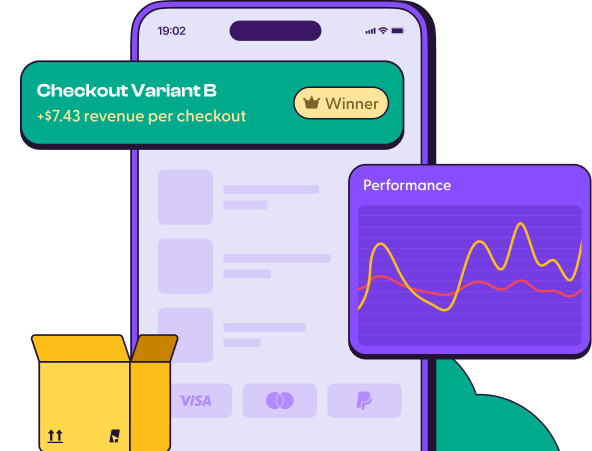
Introduce a higher-priced express method and standard reads as the reasonable choice. Labeling the anchor “Limited Time Offer” or “Special Price” raises the perceived value of the whole shipping decision and pushes conversion at the method the shopper was already likely to pick.
A slightly better delivery promise for a small dollar increase, such as “Premium Standard, get it faster, $1.99,” pushes up average shipping revenue and conversion at once.
Two framings test well. Rounding an $11.19 rate to a clean $11.99 makes pricing feel simpler and lifts revenue per checkout. Adding a “Best Value” tag steers shoppers toward the option you want them to take.
Pinging carriers in real time means charging the accurate rate on every order, not a stale flat rate that either eats margin or scares off the shopper. Combined with percentage-of-cart rate rules, shipping stops being a cost center you guess at.
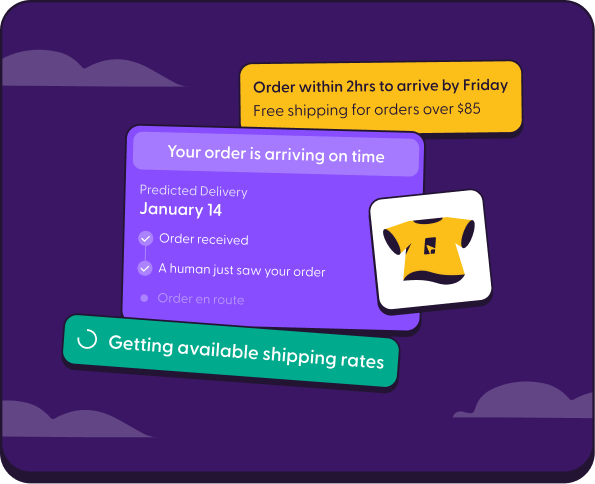
A measured conversion result, not a shipping-revenue claim.

Find the exact threshold that maximizes revenue per checkout
Stop losing 7 in 10 shoppers at the finish line
Not sure where you're leaking? Start with the 12 most common checkout issues, from 600+ store audits.

Show every customer their optimal checkout to maximize your profits
