


Above their own industry benchmark
More than 1 in 4 stores we audit abandon checkout at a rate above their own industry benchmark. The leak is specific to the store, its category, and the shoppers reaching payment.
PDQ store audits
Checkout abandonment is when a shopper enters checkout but leaves before paying. Cart abandonment happens earlier, before checkout starts. Reduce it by removing late cost surprises, clarifying delivery, restoring trust at payment, and letting shoppers fix problems without leaving the secure flow.
Based on PDQ audits of 600+ Shopify stores, each benchmarked against its own industry.
More than 1 in 4 stores we audit abandon checkout at a rate above their own industry benchmark. The leak is specific to the store, its category, and the shoppers reaching payment.
The Baymard Institute documents an average checkout abandonment rate of about 70%. That is an absolute industry-wide drop-off rate, not the share of stores performing above or below their peers.
In about 1 in 6 stores we audit, first-time shoppers convert at least 25% worse than returning ones. The same audits point to missing reassurance at the moment of payment.
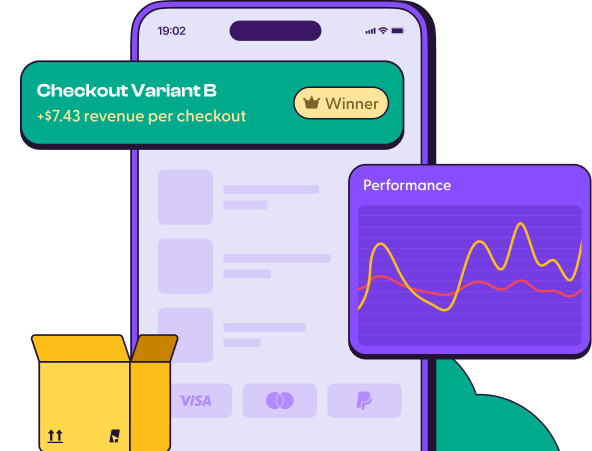
PDQ treats checkout as a CRO lab. We segment shoppers, test the point of friction, and keep the version that produces the strongest revenue per checkout.
Delivery cost is a major abandonment driver: too high and conversion drops, too low and revenue is left unclaimed. PDQ A/B tests shipping rates per segment to find the price that maximizes revenue per checkout, including tactics like rounding rates to a clean $.99.
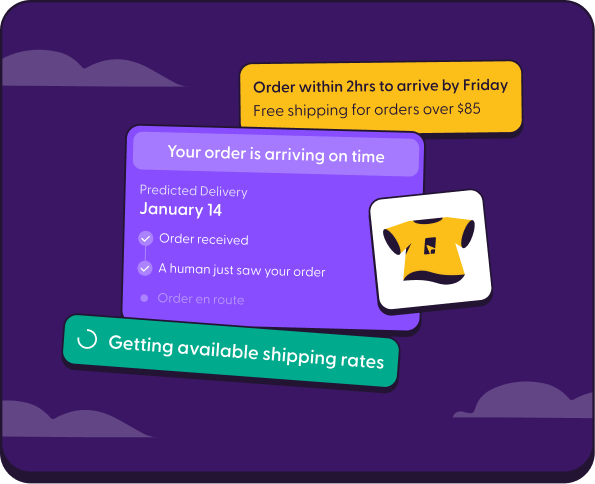
An accurate “Arrives by Tue, Nov 12” on each shipping option replaces checkout's vaguest moment with a commitment. Accurate delivery dates lift both AOV and CVR and build trust when kept.
First-timers are hardest to convert because they don't know the brand. PDQ places trust badges, review content, and personalized notes inside checkout, targeted by segment so a first-timer sees reassurance a returning VIP doesn't, and A/B tests all of it.
When a code fails, shoppers leave. PDQ replaces the generic error with custom messaging and an automatic replacement offer: a store discount or unique one-time code, optionally auto-applied. Rule-based targeting handles expired codes, VIP-only codes, and catch-alls.
Shoppers who leave to fix a size or quantity often don't return. PDQ lets them edit variants, adjust quantities, and remove items without leaving the secure flow, keeping momentum and protecting gift and upsell logic.
A measured conversion result, not an estimate of recovered checkouts.

One-size-fits-all shipping loses money at both ends — tailor it by segment, zone, and cart
Find the exact threshold that maximizes revenue per checkout
Not sure where you're leaking? Start with the 12 most common checkout issues, from 600+ store audits.

Show every customer their optimal checkout to maximize your profits
