


A first-time shopper trust gap
In about 1 in 6 stores we audit, first-time visitors convert at less than three quarters of the returning-customer rate.
PDQ store audits
A delivery promise is a specific arrival date ("Get it by Friday, June 12") shown on the product page and in checkout, instead of a shipping speed ("3-5 business days"). Accurate dates remove the biggest unknown a first-time buyer faces. Winning delivery-promise tests lift checkout conversion by +3.3% (median across 16 experiments).
Based on PDQ audits of 600+ Shopify stores, each benchmarked against its own industry.
In about 1 in 6 stores we audit, first-time visitors convert at less than three quarters of the returning-customer rate.
Returning customers already know your delivery is reliable. First-timers are deciding at checkout whether to believe you, and a shipping-speed range asks them to calculate the arrival date and take the risk.
A delivery promise names the day the package arrives. It only works when it comes from real fulfillment and carrier data for that destination, not a padded sitewide guess.
PDQ turns delivery timing into a specific, destination-aware promise, then tests the wording, placement, and urgency around it. The goal is a clearer promise that the operation can keep.
“Get it by Friday” converts; “3-5 business days” calculates. PDQ shows estimated delivery dates on the product page and in checkout, computed from your actual fulfillment and carrier performance, so the date is a promise you keep, not a guess you pad.
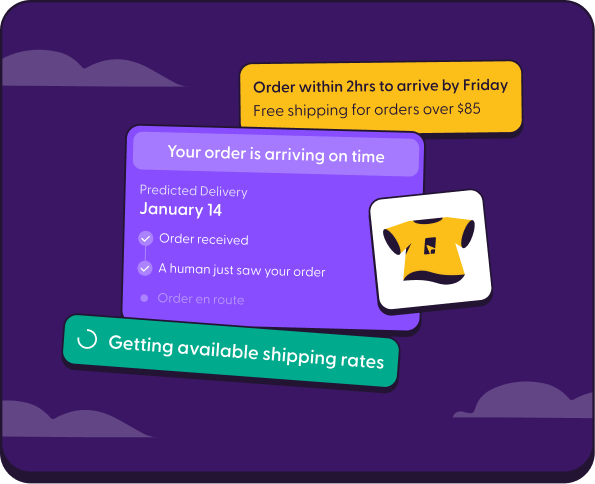
A single sitewide estimate is too slow for nearby customers and too optimistic for far ones. Zone-based delivery promises show each shopper the date for their location, so nobody sees a promise built for someone else's zip code.
“Order in the next 2 hours to get it by Friday” turns the delivery promise into a deadline. Cutoff timers tied to your real dispatch schedule give shoppers an honest reason to finish checkout today.
Some purchases don't need to arrive fast; they need to arrive on the right day. A delivery date picker lets shoppers choose, which converts the buyer that speed alone can't. Available for Shopify Plus.
Where the date shows, how it's phrased, and whether a timer runs alongside it are each A/B tests, not settings. PDQ has run hundreds of delivery-promise tests and keeps the variants that measurably lift conversion.
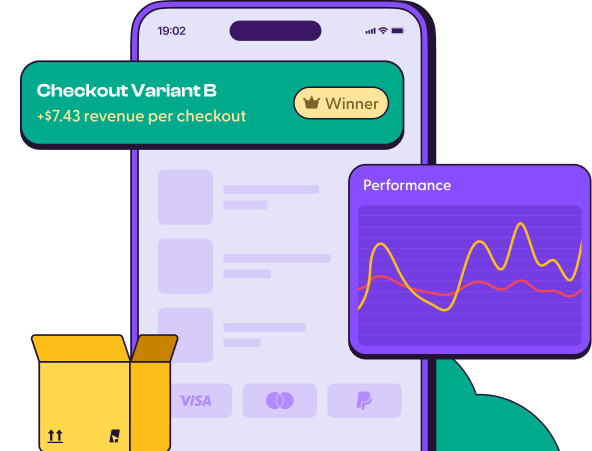
Frozen July 13, 2026. Checkout conversion only; median across winning experiments.

One-size-fits-all shipping loses money at both ends — tailor it by segment, zone, and cart
Stop losing 7 in 10 shoppers at the finish line
Not sure where you're leaking? Start with the 12 most common checkout issues, from 600+ store audits.

Show every customer their optimal checkout to maximize your profits
