


A business running on first-timers
About 1 in 7 stores we audit run almost entirely on first-time customers, with at least 85% of checkouts coming from people who have never bought before.
PDQ store audits
Repeat purchases start the moment the first order is placed. The post-purchase experience decides whether that happens: a branded tracking page that brings customers back to your store, self-serve order editing that prevents a bad first impression, and offers placed in the moments after payment when attention is highest and risk is zero.
Based on PDQ audits of 600+ Shopify stores, each benchmarked against its own industry.
Nearly every delivered order generates the same support question: where is my order? Answering it manually is the most expensive way to do it.
About 1 in 7 stores we audit run almost entirely on first-time customers, with at least 85% of checkouts coming from people who have never bought before.
When nearly every checkout is a first-timer, every order carries full acquisition cost. Rising ad prices come straight out of margin because there is no repeat engine to absorb them.
Between payment and delivery, customers check tracking repeatedly and form their opinion of the brand. Most stores hand that attention to the shipping carrier.
The stores that escape acquisition dependence give customers a reason to come back. PDQ turns the period between payment and delivery into a branded, useful, revenue-producing part of the customer journey.
Customers check order tracking more than any other page they will visit after buying, and most brands send them to a carrier page to do it. A branded tracking page keeps that attention on your store, with tailored coupon offers that turn the wait into the next order.
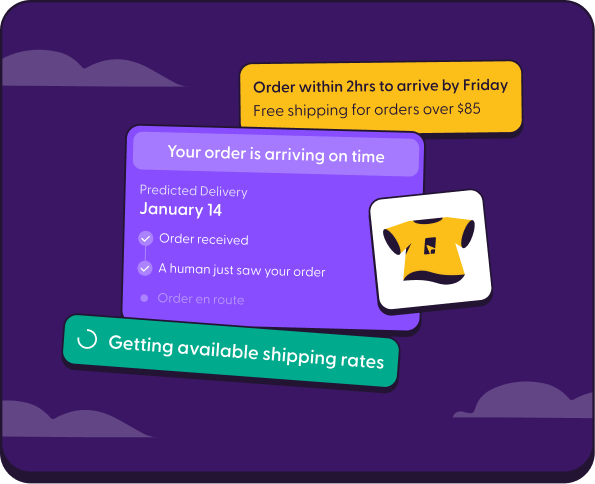
The fastest way to lose a first-time customer is making them email support to fix a typo. Self-serve order editing lets them correct an address, variant, or quantity before fulfillment, cutting tickets and cancellations at the exact moment trust is being formed.
After payment is the one moment an offer cannot cost you the sale. One-click upsells add to the completed order with no re-entry of payment details and no checkout friction. Pure upside on orders you have already won.
Confirmation and status pages have full attention and no job left to do. Post Purchase Ads put relevant offers there instead of white space.
General merchant revenue impact across the last 12 months, not a checkout-test conversion statistic.

Below-industry AOV? Raise it with offers matched to each cart and customer
Not sure where you're leaking? Start with the 12 most common checkout issues, from 600+ store audits.
Stop losing 7 in 10 shoppers at the finish line

Show every customer their optimal checkout to maximize your profits
